Our Others Treatments

We also provide treatment and services such as Health Screening, Gynaecology, Pre Pregnancy Assessment, Genetic Screening, ICSI, Frozen Embryo Transfer and etc.
We also provide treatment and services such as Health Screening, Gynaecology, Pre Pregnancy Assessment, Genetic Screening, ICSI, Frozen Embryo Transfer and etc.

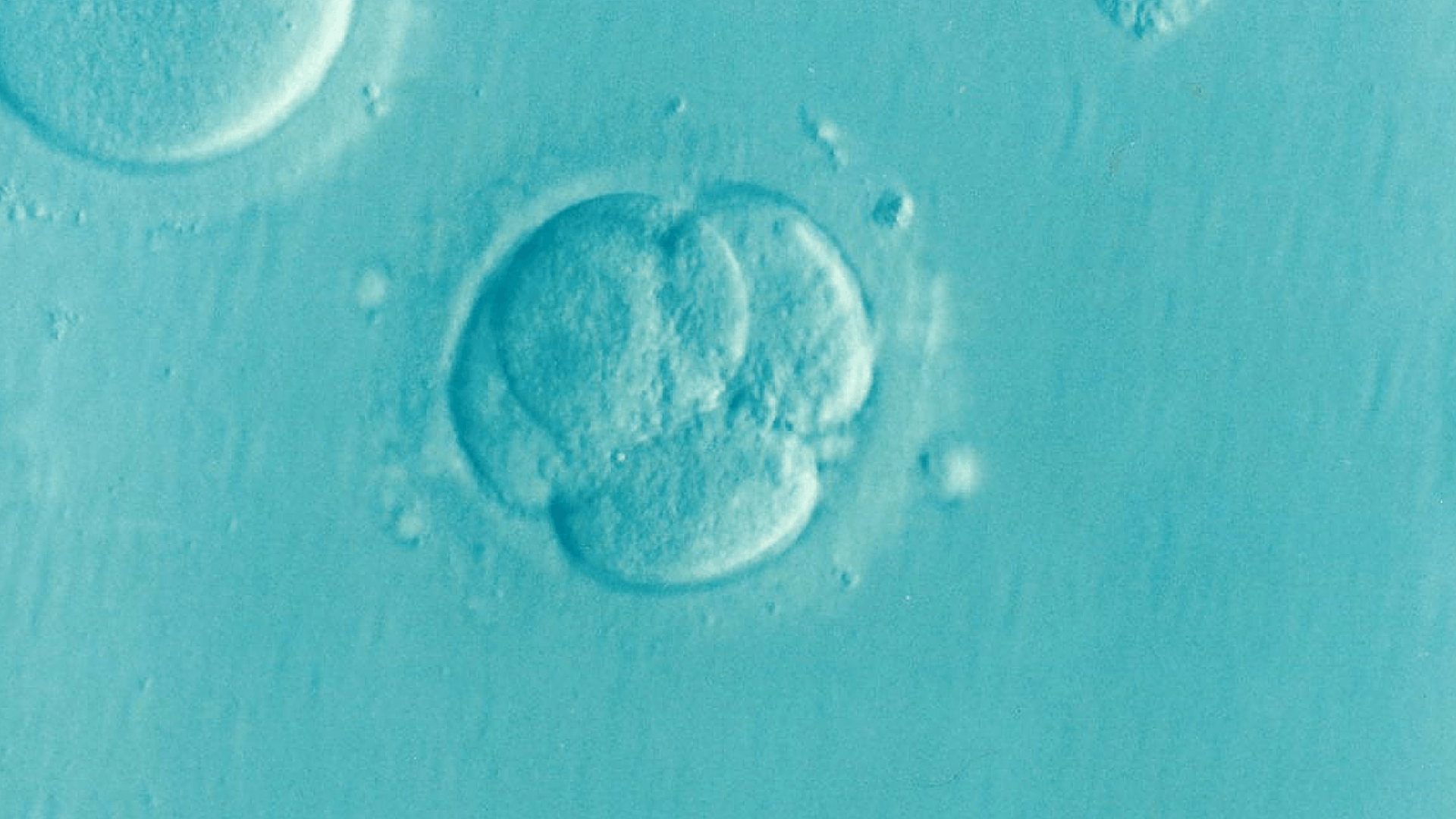
Intracytoplasmic Sperm Injection (ICSI) is an innovative technique used in assisted reproductive technology (ART) to address certain male infertility factors. It involves the direct injection of a single sperm into an egg, increasing the chances of successful fertilization and embryo development. ICSI has revolutionized fertility treatment, offering hope to couples who may have otherwise faced significant challenges in achieving pregnancy.
Here is what you need to know about ICSI:
1️⃣ When is ICSI Used? ICSI is typically recommended when there are male infertility factors that can hinder natural fertilization. These may include low sperm count, poor sperm motility (movement), abnormal sperm morphology (shape), or previous failed fertilization attempts during conventional IVF. ICSI allows for the selection of the best-quality sperm and enables successful fertilization even in cases where the sperm's ability to penetrate the egg may be compromised.
2️⃣ The flow ICSI Process:
a. Ovarian Stimulation: The woman undergoes ovarian stimulation using hormonal medications to promote development of multiple mature eggs.
b. Egg Retrieval: A minor surgical procedure called follicular aspiration is performed to retrieve mature eggs from the ovaries. This procedure is typically done under sedation.
c. Sperm Preparation: On the same day as the egg retrieval, semen sample is collected from the male partner or sperm thawing will be performed for frozen sperm. If the sperm sample is of low quality, sperm may be retrieved directly from the testes using Surgical Sperm Retrieval (SSR) Procedure.
d. Injection of Sperm: Using a specialized microneedle, a single sperm is selected and injected directly into the egg (cytoplasm). This process is performed under high-magnification microscopy to ensure precision and accuracy.
e. Embryo Development: Following the injection, the fertilized eggs, now referred to as embryos, are cultured in a laboratory incubator for several days to allow for further development and growth.
f. Embryo Transfer: After a few days of development, the most viable embryos are selected for transfer into the woman's uterus, with the goal of achieving a successful pregnancy.
3️⃣ Success Rates: ICSI has significantly improved the chances of successful fertilization, even in cases with severe male infertility factors. The success rates of ICSI depend on various factors, including the woman's age, the quality of the eggs and sperm, and the expertise of the fertility clinic.
4️⃣ Considerations and Risks: While ICSI has revolutionized fertility treatment, it's important to consider potential risks and limitations. The procedure carries a slightly higher risk of certain genetic disorders, as the selection of sperm is based on visual assessment rather than natural selection. Additionally, there is a small risk of damage to the egg during the injection process. However, these risks are generally low and are outweighed by the potential benefits for couples facing male infertility factors.
ICSI is an incredible advancement in the field of fertility treatment, providing hope and options for couples facing male infertility challenges. If you believe ICSI may be appropriate for your situation, it's crucial to consult with a fertility specialist who can assess your specific circumstances, explain the procedure in detail, and guide you through the process.
By utilizing the precision of ICSI, fertility specialists can enhance the chances of successful fertilization, offering renewed hope on the journey towards building a family.

ENGAGE . INSPIRE . THRIVE
Join us for latest promotions and packages.
© Copyright 2023 Thrive Ivf Sdn Bhd - All Rights Reserved