



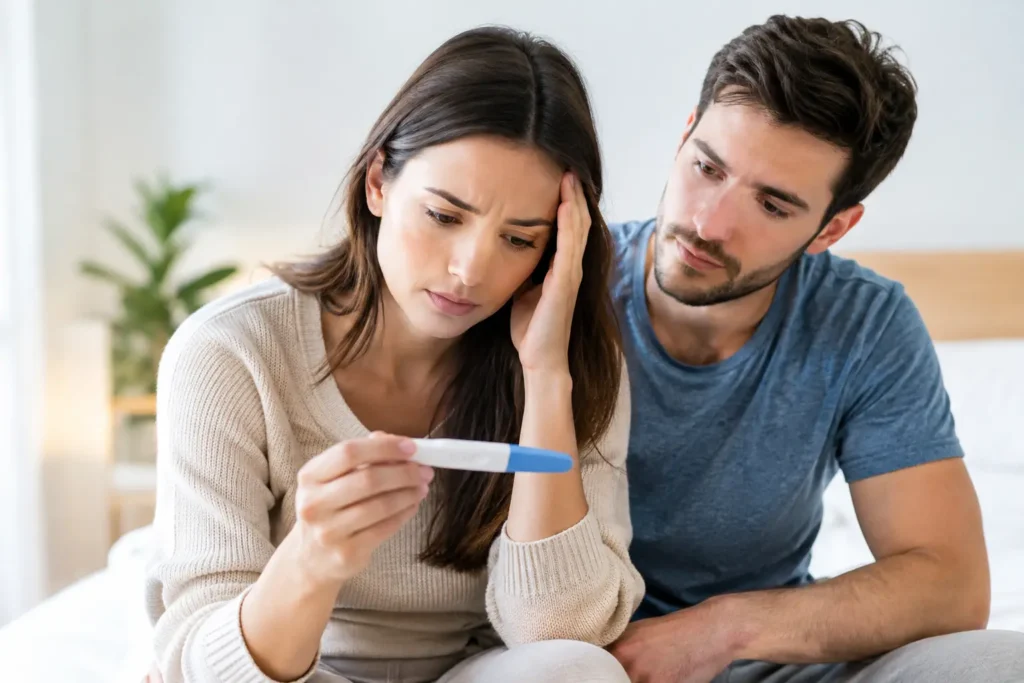
Trying for a baby can begin with excitement and quickly become emotionally exhausting when each month passes without a positive test. Early infertility warning signs are not always obvious, and having one does not mean pregnancy is impossible. Still, certain changes in menstrual health, pelvic symptoms, medical history, or sperm health can be a reason to seek answers sooner rather than waiting in uncertainty.
Fertility is shared. Even when one partner notices symptoms, both people may benefit from an assessment. A thoughtful evaluation can identify treatable factors, clarify what is happening, and help you make decisions that feel right for your circumstances and hopes for a family.
What early infertility warning signs can look like
Infertility is generally defined as not becoming pregnant after 12 months of regular, unprotected intercourse for people under 35, or after six months for those ages 35 to 39. At 40 or older, it is reasonable to speak with a fertility specialist before trying or as soon as concerns arise. These timelines are useful guides, but they are not rules that require you to wait when clear risk factors are present.
Irregular, absent, or unpredictable periods
Menstrual cycles offer helpful clues about ovulation. While a cycle does not need to arrive on the exact same day every month, cycles that are consistently shorter than 21 days, longer than 35 days, very unpredictable, or absent for several months may mean ovulation is not occurring regularly.
Conditions such as polycystic ovary syndrome (PCOS), thyroid disorders, elevated prolactin, significant weight changes, intense exercise, and reduced ovarian function can affect the cycle. Some causes are manageable with medical care, while others may shape the most suitable path to pregnancy. The key is not to assume that irregular periods are simply something to live with if you are hoping to conceive.
Very painful periods or ongoing pelvic pain
Severe cramping that disrupts work, sleep, or daily activities deserves attention, especially if it has worsened over time. Pain during intercourse, pain with bowel movements around menstruation, or persistent pelvic pain may be associated with endometriosis. This condition can affect the ovaries, fallopian tubes, pelvic anatomy, and egg quality, though symptoms vary widely.
Fibroids, ovarian cysts, pelvic adhesions, and other gynecological conditions may also contribute to discomfort or affect conception. Not everyone with these conditions has fertility difficulty, and not everyone with infertility experiences pain. A specialist can help distinguish between symptoms that need monitoring and those that call for further investigation.
A history that may affect the fallopian tubes or uterus
Past pelvic inflammatory disease, chlamydia, gonorrhea, appendicitis with complications, pelvic surgery, or an ectopic pregnancy can sometimes cause scarring around the fallopian tubes. If the tubes are blocked or damaged, sperm and egg may not be able to meet naturally.
Previous surgery for fibroids, endometriosis, ovarian cysts, or a cesarean delivery does not automatically lead to infertility. However, it is valuable information during a fertility consultation. Imaging and other targeted tests may help assess the uterine cavity, ovaries, and fallopian tubes without making assumptions based on history alone.
Signs of hormonal change or reduced ovarian function
Hot flashes, night sweats, vaginal dryness, or a sudden shift in cycle pattern before the expected age of menopause can be worth discussing with a clinician. These symptoms may be linked to hormonal changes and, in some cases, reduced ovarian function.
Age remains one of the strongest influences on egg quantity and quality. This is not a measure of health, femininity, or a person’s ability to become a parent. It simply means that timely information can be especially valuable for people in their late 30s and 40s, those with a family history of early menopause, or those facing medical treatment that may affect fertility.
Male fertility concerns
Male-factor infertility is common, which is why fertility testing should not focus only on the person who will carry a pregnancy. Difficulty with erections or ejaculation, low sexual desire, testicular pain or swelling, a history of undescended testes, varicocele, mumps after puberty, genital surgery, or testosterone use can affect sperm production or delivery.
Chemotherapy, radiation, certain medications, high heat exposure, and chronic health conditions may also influence sperm health. Often, though, there are no visible symptoms at all. A semen analysis is a straightforward first-line test that looks at sperm count, movement, and shape. It can prevent months of guesswork and ensures the evaluation begins as a shared process.
When not to wait for a fertility assessment
If you are under 35 with regular cycles and no known risk factors, trying for up to a year before seeking help is often appropriate. But an earlier consultation is sensible if periods are very irregular or absent, there is known endometriosis or PCOS, or either partner has a history that could affect fertility.
You may also want to seek guidance early after recurrent pregnancy loss, an ectopic pregnancy, pelvic infection, cancer treatment, or surgery involving the reproductive organs. People considering pregnancy who have a genetic condition or a significant family history of inherited disease may benefit from preconception counseling as well.
For individuals who are not ready to conceive yet, fertility preservation can be part of proactive reproductive planning. Egg freezing, sperm freezing, and, in selected medical circumstances, ovarian tissue cryopreservation may offer options before age or treatment affects fertility potential. These decisions are personal, and no procedure can guarantee a future pregnancy, but early counseling provides time and clarity.
What happens at a fertility consultation
A fertility assessment should feel like a conversation, not a judgment. Your specialist will usually ask about menstrual patterns, past pregnancies, timing and frequency of intercourse, medical conditions, medications, lifestyle factors, and family history. Both partners should be included whenever possible.
Testing is tailored rather than identical for every patient. It may include blood tests to assess hormones and ovulation, ultrasound to review the uterus and ovaries, and tests to check whether the fallopian tubes are open. A semen analysis is commonly performed for the male partner. Depending on the results, further testing may be suggested, but many people do not need every available test.
The next step might be as simple as timed intercourse with ovulation guidance or treatment for an underlying hormone issue. For others, options such as intrauterine insemination (IUI), in-vitro fertilization (IVF), embryo freezing, or genetic testing of embryos may be appropriate. The right plan depends on age, diagnosis, treatment history, time considerations, and your preferences.
Protecting fertility without blaming yourself
Sleep, balanced nutrition, movement, and avoiding smoking can support overall reproductive health, but infertility is rarely caused by one missed habit or imperfect month. Stress can make the experience harder, yet it is not your fault if pregnancy has not happened. Be cautious of supplements or online promises that claim to restore fertility without a proper medical assessment.
It can help to track cycle dates, symptoms, medications, and any previous test results before your appointment. Bring questions too: What may be affecting our chances? Which tests are useful now? How much time do we have? What are the benefits, limits, and costs of each option? Clear answers can replace some of the uncertainty with a plan.
At IVcare Fertility in Petaling Jaya, specialist-led care brings fertility assessment, treatment, and emotional support together so that patients do not have to navigate these decisions alone. Reaching out early is not overreacting. It is a compassionate way to care for your health, your relationship, and the future you hope to build.